This is my bugbear.
But perhaps an introduction is in order;
I've been playing MMO's since I was 16~ which is around 15 years of experience.
While players come and go, I can usually rely on the same crowd returning to "try out" any new MMO on the market, and some for the latest World of Warcraft expansion.
To say I have wasted countless days of my life playing games that are little more than a pretty skinner box is probably an apt description.
I will say that my addiction to online gaming has almost certainly saved my sanity, if not my life.
It has kept me in touch with my friends and made me many more that I'd never have come across (how many normal people can boast a sofa to sleep on in almost every country in Europe and some places beyond?) It has broadened my horizons, and dispelled many misconceptions of my fellow man.
Perhaps not entirely wasted time.
But there remains a large part of me that is continually disappointed at potential wasted (often squandered) by continual pandering to even wider audiences.
My first days online as a teenager (late to the party, amongst the last of my peers to get a PC) saw me thrown into a roleplay game like no other.
I speak of Ultima Online.
It's still going though I left is long ago.
For those unaware, it is a true MMORPG.
Players are able to build a unique character from a variety of skills to achieve whatever end they wish, mastering some skills completely, leaving others intentionally stunted. You could be a crafter, with no combat skills at all, or a thief (in the old days you really could steal anything not literally nailed down, including from other players houses and inventory)
Perhaps you'd like to tame a Dragon to do your fighting for you?
Of course certain builds were popularised as very effective but in those early days building a character was truly a feat of perseverance, as you slowly navigated a completely open world to discover which challenges you could overcome, and which would end your life.
In this game, there was no trinity. Each player had to be somewhat self sufficient, with cooperative play leading to feats of achievement that still satisfy me today as memories.
That all changed when I was finally enticed to Warcraft scant months before the release of the burning crusade.
Questing was entirely new to me, as was levelling (in an MMO)
Always before I had gone where I was able to kill the toughest monsters I could to train skills and earn money.
WoW was an entirely different beast.
A game on rails, directing your play and segregating it's population based on their advancement.
It has it's merits as well as pitfalls, the major downside being my complete isolation from those that encouraged me to play in the first place.
The role play was sidelined too, replaced by what amounted to participation in a story.
No more did I see roving bands of players posing as Orcs or Undead to kill other players, nor the casual acquaintances of those farming the same spots I preferred (or the enmity of those that would come to kill me)
Then came the Holy Trinity, and it was a revelation.
I had always preferred playing rough and tumble characters, able to take a hit and shrug it off.
Warcraft took that concept a step further with the Tanking role.
My first outing as a tank was amusingly naive.
I knew my job, I'd had a brief go in a dungeon when levelling a friend's mage, I had all the skills and went to it with gusto.
About 3/4 through gnomeregon a member of my party complain that I never taunted when I did lose aggro or we had adds incoming.
My reply.... "that's a cooldown!"
I had misread the tooltip and thought the very concept of taunting was powerful enough to warrant a minutes long cooldown (Shield Wall being the ability in question, the genuinely powerful 40% damage reduction)
Only after the instance did I see my error, and in one of the more annoying 5 man dungeons.
Still, it cemented my adoration for the role. The strategy of planning a pull, the high pressure and constant attention required, the pure sweat and adrenaline and the genuine appreciation shown my groups (when nothing went wrong)
Tanking, for those of you new to the game, is not what it used to be.
Healing remained a mystery to me for a long time, until months into The Burning Crusade I had finally deemed myself ready after rerolling to a Paladin, levelling as protection because I am insane, and started looking for a raiding guild.
The jackpot was struck with an invite to my first Guild (in any game, I am something of a loner and in any case I'd never been logged in for longer than a few minutes without being recruited into a group on my warrior)
Karazan. There is a reason the place remains a fond memory for WoW players, despite its flaws.
The snag? I had to heal.
Now, I'm never one to shy away from a challenge, and I am exactly arrogant enough to believe I can accomplish just about anything. With the spec I'd never played, in the odds and sods items I'd kept for offspec duty.
Raid Frames? What are raid frames?
What do you mean dispel, how do I do that?
Needless to say, my new friends were not impressed, but they were very patient and helpful.
After initial disasters mostly resting on my novice shoulders we managed to clear the place.
I still have fond memories of my first raid team, my first guild (still in touch with a few faces after all this time) and I even stooped to writing fanfic about our epic Gruul run (gathering 25 players for content is a feat a lot of people take for granted all on its own)
To this day I have never played a damage dealer to any high level of play.
While I do enjoy the concept, I am unable to abandon the more essential duties above. I am more than capable of the role though (good old personal arrogance) and being acknowledged is always satisfying.
Sadly, Warcraft, and many MMOs since, seem to have committed to making the last aspect of the holy trinity all about numbers. Even Wildstar, touted as upping the difficulty, doubled down on ending strategic play and control in favour of aRPG elements and cleaving the universe to death.
For those that lived through the various iterations, this is a corruption of the old term, as the last of the trinity was about crowd control and general utility (buffing/debuffing/kiting)
Along the way something very cool and worth investing in was discarded because lazy players did not want to make that effort and so were not given the same precedence in building a team.
So ends the introduction; tune in for Part 2: Diversity over Inclusivity.
Friday, 29 May 2015

Wednesday, 27 May 2015
Who benefits most from society?
This is a big topic.
Without a doubt, civilisation DOES benefit those living in it.
Now, there are sociological arguments that isolation and barbarism (for want of a better term) are not bad, but I for one enjoy the benefits of the modern world which would be impossible without our sprawling and interconnected cultures.
Many would suggest that the greatest benefits of civil society are enjoyed by the poor through welfare and charity.
These are certainly advantages bought about through our social contracts, and a great argument for our nature as nurturing and empathetic creatures.
I would argue that whatever the advantages enjoyed by the poor and disadvantaged in society, they are dwarfed by the advantages garnered by the wealth classes.

Take a look at the world and examine the lives of its peoples.
Many argue that greater freedom results in increased wealth and less reliance on state.
Observation should inform people otherwise.
Freedom comes with costs.
Absolute freedom results in chaos, poverty, crime and war.
Every nation without a strong governing body is rife with conflict and poverty, regardless of natural wealth. Even areas within advanced nations without a welcome and positive police presence are more dangerous.
So, when society places restrictions on people (which it must) what we see is often greater personal freedom for the majority.
We can argue where limits should be placed and what constitutes an attack on personal liberty, but I do not believe that anyone supports absolute freedom, as such a position is self defeating.
Tax pays for the structure of society, and we are told that the rich are overburdened because they pay more than the poor. The poor make use of lots of government resources, so the burden to pay for these services should rest on those that use them.
To me, this is fallacious.
Who benefits the most from education?
The individual pupil?
I do not think you would find many that would agree.
No, society as a whole benefits from an educated population, and the wealth classes leverage this population for their endeavours. An educated worker is more useful than an uneducated one. This is irrefutable.
This is not exploitation on either side, when done well, but a partnership.
Without the expenditure by the government through tax, employers would not have skilled people to employ. An illiterate and innumerate population would produce far less value, to say nothing of advanced education.
This thinking extends to everything.
Who benefits from roads?
The individual motorist can get to work, absolutely, but the company he works for relies on the roads for ALL of their staff to arrive. The drivers themselves use the roads, but others indirectly benefit from that infrastructure.
If you look at wealth distribution, you see that the richest people in the world make their money in the markets of societies in which they complain about paying too much tax.
They believe their contributions to society are unfair, despite their wealth being ENTIRELY RELIANT on that society.
To me, this is a simple, self explanatory concept.
They are riding the horse, but refuse to pay for its feed, stable and grooming.
Just because they do not benefit directly from a state handout does not mean they are not utterly reliant on the system they rail against.
Largely that last sentence is untrue anyway, as the burden felt by business and the independently wealthy is often massively alleviated by tax breaks, refunds and subsidies.
The misleading idea that marginal tax rates are the rate of tax an individual or institution pays is responsible for much of the support for lowering taxes.


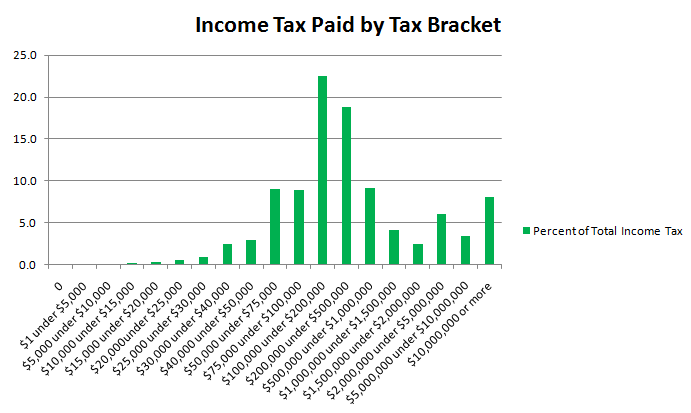
This is not to say that those contributing the most to society are unworthy of praise or should be vilified, I have nothing against people working for wealth (I have many things to say against cronyism and wealth, as in capital, having more value than work)
I just believe that they must begin to recognise that they are the most reliant on that society. They have the most to lose. Their contributions to society are essential, but they are not inherently noble or virtuous. They should pay most in because they do in fact get most out. If you earn two thirds of the wealth you should be paying two thirds of the tax bill, not complaining that the poor don't shoulder more of the burden.
You are engaged in a partnership with society, value for value.
Try not to escape the obligation you have to the society that enabled you to succeed.
Without a doubt, civilisation DOES benefit those living in it.
Now, there are sociological arguments that isolation and barbarism (for want of a better term) are not bad, but I for one enjoy the benefits of the modern world which would be impossible without our sprawling and interconnected cultures.
Many would suggest that the greatest benefits of civil society are enjoyed by the poor through welfare and charity.
These are certainly advantages bought about through our social contracts, and a great argument for our nature as nurturing and empathetic creatures.
I would argue that whatever the advantages enjoyed by the poor and disadvantaged in society, they are dwarfed by the advantages garnered by the wealth classes.

This shows who is getting the most out of society in a very real & direct way
Two thirds of the wealth is owned by the top 5%
Their tax burden is not 2/3rds of tax revenue.
Take a look at the world and examine the lives of its peoples.
Many argue that greater freedom results in increased wealth and less reliance on state.
Observation should inform people otherwise.
Freedom comes with costs.
Absolute freedom results in chaos, poverty, crime and war.
Every nation without a strong governing body is rife with conflict and poverty, regardless of natural wealth. Even areas within advanced nations without a welcome and positive police presence are more dangerous.
So, when society places restrictions on people (which it must) what we see is often greater personal freedom for the majority.
We can argue where limits should be placed and what constitutes an attack on personal liberty, but I do not believe that anyone supports absolute freedom, as such a position is self defeating.
Tax pays for the structure of society, and we are told that the rich are overburdened because they pay more than the poor. The poor make use of lots of government resources, so the burden to pay for these services should rest on those that use them.
To me, this is fallacious.
Who benefits the most from education?
The individual pupil?
I do not think you would find many that would agree.
No, society as a whole benefits from an educated population, and the wealth classes leverage this population for their endeavours. An educated worker is more useful than an uneducated one. This is irrefutable.
This is not exploitation on either side, when done well, but a partnership.
Without the expenditure by the government through tax, employers would not have skilled people to employ. An illiterate and innumerate population would produce far less value, to say nothing of advanced education.
This thinking extends to everything.
Who benefits from roads?
The individual motorist can get to work, absolutely, but the company he works for relies on the roads for ALL of their staff to arrive. The drivers themselves use the roads, but others indirectly benefit from that infrastructure.
If you look at wealth distribution, you see that the richest people in the world make their money in the markets of societies in which they complain about paying too much tax.
They believe their contributions to society are unfair, despite their wealth being ENTIRELY RELIANT on that society.
To me, this is a simple, self explanatory concept.
They are riding the horse, but refuse to pay for its feed, stable and grooming.
Just because they do not benefit directly from a state handout does not mean they are not utterly reliant on the system they rail against.
Largely that last sentence is untrue anyway, as the burden felt by business and the independently wealthy is often massively alleviated by tax breaks, refunds and subsidies.
The misleading idea that marginal tax rates are the rate of tax an individual or institution pays is responsible for much of the support for lowering taxes.

This shows the effective rates of tax on individuals
It can be applies generally with some caveats
Note how the corporate entities pay significantly less than individuals
As you can see, it is neither rich nor poor individuals that have "no skin in the game"

Compare these two images to the first image on this post.
Think about how you are told that the rich pay "too much"
We are left in a world where those drawing most benefit from the system complain if asked to pay a fair share back into it; believing the convenient self deception that their wealth is magically produced by their own ingenuity, and not a product of the Nation in which they reside.This is not to say that those contributing the most to society are unworthy of praise or should be vilified, I have nothing against people working for wealth (I have many things to say against cronyism and wealth, as in capital, having more value than work)
I just believe that they must begin to recognise that they are the most reliant on that society. They have the most to lose. Their contributions to society are essential, but they are not inherently noble or virtuous. They should pay most in because they do in fact get most out. If you earn two thirds of the wealth you should be paying two thirds of the tax bill, not complaining that the poor don't shoulder more of the burden.
You are engaged in a partnership with society, value for value.
Try not to escape the obligation you have to the society that enabled you to succeed.
Monday, 25 May 2015
On Filthy Casuals
The term "casual" is common amongst video gaming communities.
Often it is given a negative connotation, without much thought into how it is being used.
This is sad, as it is a useful way to deliniate what a given player wants from the game and community they are engaged in.
Now, can and is it used as an insult? Absolutely.
So is "noob" or "elitist" or any number of ambiguous terms applied to a player either appropriately or inappropriately with the intention to offend.
Much like "noob" though it is not necessarily an insult, even when said insultingly. It could be the straight up truth.
If you are unfamiliar with the game mechanics, or the abilities of the character you are using, it is entirely appropriate even if it's hurtful. The amount of effort you expend while playing is irrelevant, only your level of competence matters.
With "casual" the delineation is even MORE helpful, as it is a declaration of how you intend to play.
Believe it or not, most people are not literal monsters that want to upset everyone they come across.
Much of the venom spewed in online play is vented frustration, not malice.
If everyone is aware you are a new player, you will often find more help than you find insults.
If everyone is aware that you play casually, you will not be expected to contribute as much as a hardcore player (the downside being you will not be included when such dedication is deemed necessary)
Now, if a player joins a public game, uses a random party tool or solo queue and immediately expects everyone to be intimate with the game, their role and the tactics that are somehow never divulged by this individual; that player is not "hardcore." They are not "elite." They are an idiot, and the every toxic element that causes much of the frustration you will see. (if they ping the map repeatedly when there is no possible way to do anything about it, they are in this category. They want to show you how clever they are by predicting things that have already happened)
If on the other hand a player tries to organise the game through chat, pings the map to give direction or even invites everyone to use voice comms, that player is your BFF as a casual. He might respond poorly if ignored, he might get into a scrap with the idiot of the previous paragraph (making them have to distinguish sometimes) but if you say you're new or aren't sure what to do, you'll most often get a couple of friendly hints and a pep talk.
Don't run from the "casual" or "noobie" labels. They are your shield from an awful lot of frustration, both your own and those that often seem out to get you.
Embrace your attitude to gaming, the fun you bring will often be infectious.
Most gamers, in my experience, delight in being more knowledgeable and being able to show people the ropes.
Often it is given a negative connotation, without much thought into how it is being used.
This is sad, as it is a useful way to deliniate what a given player wants from the game and community they are engaged in.
Now, can and is it used as an insult? Absolutely.
So is "noob" or "elitist" or any number of ambiguous terms applied to a player either appropriately or inappropriately with the intention to offend.
Much like "noob" though it is not necessarily an insult, even when said insultingly. It could be the straight up truth.
If you are unfamiliar with the game mechanics, or the abilities of the character you are using, it is entirely appropriate even if it's hurtful. The amount of effort you expend while playing is irrelevant, only your level of competence matters.
With "casual" the delineation is even MORE helpful, as it is a declaration of how you intend to play.
Believe it or not, most people are not literal monsters that want to upset everyone they come across.
Much of the venom spewed in online play is vented frustration, not malice.
If everyone is aware you are a new player, you will often find more help than you find insults.
If everyone is aware that you play casually, you will not be expected to contribute as much as a hardcore player (the downside being you will not be included when such dedication is deemed necessary)
Now, if a player joins a public game, uses a random party tool or solo queue and immediately expects everyone to be intimate with the game, their role and the tactics that are somehow never divulged by this individual; that player is not "hardcore." They are not "elite." They are an idiot, and the every toxic element that causes much of the frustration you will see. (if they ping the map repeatedly when there is no possible way to do anything about it, they are in this category. They want to show you how clever they are by predicting things that have already happened)
If on the other hand a player tries to organise the game through chat, pings the map to give direction or even invites everyone to use voice comms, that player is your BFF as a casual. He might respond poorly if ignored, he might get into a scrap with the idiot of the previous paragraph (making them have to distinguish sometimes) but if you say you're new or aren't sure what to do, you'll most often get a couple of friendly hints and a pep talk.
Don't run from the "casual" or "noobie" labels. They are your shield from an awful lot of frustration, both your own and those that often seem out to get you.
Embrace your attitude to gaming, the fun you bring will often be infectious.
Most gamers, in my experience, delight in being more knowledgeable and being able to show people the ropes.
Friday, 22 May 2015
Thoughts on Liberalism.
Liberalism.
Much maligned and often misrepresented (even by it's staunch proponents) it is without doubt one of the most important political ideologies in human history.
First, to nail down my definition.
A liberal portion is generous, a liberal attitude is tolerant or moderate.
As a political principle liberalism has always placed personal liberty, freedom of expression and secular society highly.
If you believe in freedom of speech (no matter how offensive), the free market and freedom of (or from) religion, you are practising Liberal attitudes. (note: Liberalism as a movement or ideology does not have a monopoly on these things, but the point remains)
In the UK, Liberalism has maintained it's definition.
It is the middle ground between conservatives and socialists.
Now, in some ways this is immensely positive as all mainstream parties have adopted some measure of liberalism, as have the core political ideologies behind them.
In others it has come to reflect a lack of conviction, fence sitting indecision and conflicting policies.
Small L liberalism has won throughout the Western world, and no amount of pretending the word is a curse word will change that reality.
Sadly, American Liberalism (and the political left internationally) has been somewhat coopted by groups and individuals that are not liberal at all.
Anything that undermines individual freedom is against liberalism.
This is a hard line, but difficult to describe.
Personal liberty must have some limit, or I could just walk into your house and take your shit.
I think it's fairly obvious when we are limited so that others may be extended their rights, but there is plenty of ambiguity to argue over the specifics.
Anyone suggesting that individual rights are somehow subordinate to the needs of society is not a liberal.
Free Markets.
Liberalism does not promote state capitalism or socialism.
One of the core tenets of liberalism are property rights, which are the basis of capitalist economies; flawed though I find our modern standards they're a damn sight better than history can provide. Capitalism is not perfect. Anyone saying it is needs to be taken into a padded room, but much like democracy itself; it's an horrendous way of doing things, the only virtue being that it's superior to all alternatives.
Anyone opposing capitalism (even as much as I do, which is to focus on the criticisms) is not a liberal.
Secular society.
Religious tolerance is the cornerstone of liberalism.
Sadly, this is often taken to ridiculous extremes lately with much "progressive" media desperate to defend intolerable religious practices and preach moral relativism.
This can only end in division and intolerance reciprocated from both sides of the divide created.
Anybody suggesting that the religious rights of one person or ideology should be afforded extra protection or reverence is not a liberal.
Now "Social Liberalism" as an ideology complicates matters, but honestly I see it as entirely unrelated to liberalism as an economic or political philosophy.
This laudable set of values grew from classical liberalism, but is such a diverse and divisive concept that it should be placed firmly in it's own category.
For one, I believe that almost the entire Western world is socially liberal.
The trouble comes when zealous ideologues use people's altruistic desires for a tolerant and inclusive culture to promote attitudes of intolerance, bigotry and blame.
This has been a growing problem amongst liberals and the political left, as "call out culture" reaches new heights, all in the name of "inclusion"
The dichotomy and hypocrisy of the practice disturbs me more because so many people refuse to condemn it.
Liberalism might have sown the seeds of social liberalism, and the ubiquity of social liberalism might have allowed the authoritarian "progressives" we should rightly and ironically label "social justice warriors" to flourish, but they are none of them synonymous.
I for one hope that Libertarians will reach a moderate consensus and appreciate just how much they share with Liberals they so often vilify.
Only by unifying reasonable people across political divides can we hope to combat the identity politics endemic on the extreme ends of all ideologies.
Iidentity politics are as inimical to liberalism as they are to libertarians.
Much maligned and often misrepresented (even by it's staunch proponents) it is without doubt one of the most important political ideologies in human history.
First, to nail down my definition.
A liberal portion is generous, a liberal attitude is tolerant or moderate.
As a political principle liberalism has always placed personal liberty, freedom of expression and secular society highly.
If you believe in freedom of speech (no matter how offensive), the free market and freedom of (or from) religion, you are practising Liberal attitudes. (note: Liberalism as a movement or ideology does not have a monopoly on these things, but the point remains)
In the UK, Liberalism has maintained it's definition.
It is the middle ground between conservatives and socialists.
Now, in some ways this is immensely positive as all mainstream parties have adopted some measure of liberalism, as have the core political ideologies behind them.
In others it has come to reflect a lack of conviction, fence sitting indecision and conflicting policies.
Small L liberalism has won throughout the Western world, and no amount of pretending the word is a curse word will change that reality.
Sadly, American Liberalism (and the political left internationally) has been somewhat coopted by groups and individuals that are not liberal at all.
Anything that undermines individual freedom is against liberalism.
This is a hard line, but difficult to describe.
Personal liberty must have some limit, or I could just walk into your house and take your shit.
I think it's fairly obvious when we are limited so that others may be extended their rights, but there is plenty of ambiguity to argue over the specifics.
Anyone suggesting that individual rights are somehow subordinate to the needs of society is not a liberal.
Free Markets.
Liberalism does not promote state capitalism or socialism.
One of the core tenets of liberalism are property rights, which are the basis of capitalist economies; flawed though I find our modern standards they're a damn sight better than history can provide. Capitalism is not perfect. Anyone saying it is needs to be taken into a padded room, but much like democracy itself; it's an horrendous way of doing things, the only virtue being that it's superior to all alternatives.
Anyone opposing capitalism (even as much as I do, which is to focus on the criticisms) is not a liberal.
Secular society.
Religious tolerance is the cornerstone of liberalism.
Sadly, this is often taken to ridiculous extremes lately with much "progressive" media desperate to defend intolerable religious practices and preach moral relativism.
This can only end in division and intolerance reciprocated from both sides of the divide created.
Anybody suggesting that the religious rights of one person or ideology should be afforded extra protection or reverence is not a liberal.
Now "Social Liberalism" as an ideology complicates matters, but honestly I see it as entirely unrelated to liberalism as an economic or political philosophy.
This laudable set of values grew from classical liberalism, but is such a diverse and divisive concept that it should be placed firmly in it's own category.
For one, I believe that almost the entire Western world is socially liberal.
The trouble comes when zealous ideologues use people's altruistic desires for a tolerant and inclusive culture to promote attitudes of intolerance, bigotry and blame.
This has been a growing problem amongst liberals and the political left, as "call out culture" reaches new heights, all in the name of "inclusion"
The dichotomy and hypocrisy of the practice disturbs me more because so many people refuse to condemn it.
Liberalism might have sown the seeds of social liberalism, and the ubiquity of social liberalism might have allowed the authoritarian "progressives" we should rightly and ironically label "social justice warriors" to flourish, but they are none of them synonymous.
I for one hope that Libertarians will reach a moderate consensus and appreciate just how much they share with Liberals they so often vilify.
Only by unifying reasonable people across political divides can we hope to combat the identity politics endemic on the extreme ends of all ideologies.
Iidentity politics are as inimical to liberalism as they are to libertarians.
Wednesday, 20 May 2015
PUA, don't hate the player, hate the Game.
Pick up Artists have a bad reputation.
Exploiting women for sex, teaching men to lie and manipulate to get what they want.
Sounds bad.
Some extreme ideologues want it categorised as rape (only when men do it, obviously, despite the protestations it would apply equally to all from law makers)
Now, I am not a PUA.
The very ideas behind the Game are against my personal philosophy.
I'd rather be lonely than have sex with a virtual stranger I need to lie to or manipulate.
That said, I will not judge other people for needing the crutch.
Because that is what it is, a crutch.
Not an evil and nefarious plan by men to rape unsuspecting willing women.
Many "beta nerds" (much like myself) are rather terrified by the prospect of dating and women in general.
This is not because they're stupid or unlikeable, it is because women hold all of the power and society is not afraid to shame men repeatedly since childhood to enforce a standard of behaviour.
We have a system whereby women will declare their independence and equality with one breath, but announce they still want a potential boyfriend to pay for everything when dating.
Simply put, the rules for modern courtship are a mess. We as men are told all sorts of things that we should and should not do. A lot of the "advice" contradicts itself.
Men's feelings on this are ignored or mocked, by men and women alike.
If you feel this way, you are defective. You are bad. You just need to be better.
PUA offers an alternative.
It tells vulnerable men exactly what to do to sleep with women and thereby have value as a man.
It does not shy away from truths, it does not attempt to make things equitable.
Most of the men that seek to learn "the game" do not WANT casual and meaningless sex, as strange as that sounds. It might be a bonus, but that's not what they are there for.
What they want is a way to meet women where they feel equal, where they feel capable, where they have some control.
I'd also suggest men want to feel desired, PUA offers this.
Now, some of this is exploitation of men's self consciousness.
Vulnerable men are taught to exploit women and derive self worth from this.
I'd suggest if you look deeper this is almost never the case.
When you get past the bravado, this is simply men boosting the confidence of other men. To make money or to do "good" is irrelevant. It's no different than makeup tutorials or fashion advice. It's no different than the plot of an enormous amount of romcoms. It is not dangerous or evil.
I'm sure a direct comparison between "the Game" and women's/teen magazines would show one is MUCH worse for dehumanising a gender and teaching to manipulate and lie, and that is the socially acceptable one.
While I dislike PUA as a lifestyle choice, it is not mine nor anyone else's place to judge.
I will extend my empathy to those men that feel they have no other choice, and hope it leads them to happiness and a woman (or women, I'm no tradcon) that will love them for themselves.
I hope everyone can learn that PUA is just an imperfect solution to a real problem, a problem that is not going away as men continue to be demonised to the point that only complete bastards can function properly (really ladies; the only people hurt by the campaigns to "improve" men are already good men. Bad people don't feel bad when you point out how shitty they are)
For all the gay men out there; "the Game" for men is easy mode.
Men are dawgs!
Try to feel some pity for your straight brothers!
Exploiting women for sex, teaching men to lie and manipulate to get what they want.
Sounds bad.
Some extreme ideologues want it categorised as rape (only when men do it, obviously, despite the protestations it would apply equally to all from law makers)
Now, I am not a PUA.
The very ideas behind the Game are against my personal philosophy.
I'd rather be lonely than have sex with a virtual stranger I need to lie to or manipulate.
That said, I will not judge other people for needing the crutch.
Because that is what it is, a crutch.
Not an evil and nefarious plan by men to rape unsuspecting willing women.
Many "beta nerds" (much like myself) are rather terrified by the prospect of dating and women in general.
This is not because they're stupid or unlikeable, it is because women hold all of the power and society is not afraid to shame men repeatedly since childhood to enforce a standard of behaviour.
We have a system whereby women will declare their independence and equality with one breath, but announce they still want a potential boyfriend to pay for everything when dating.
Simply put, the rules for modern courtship are a mess. We as men are told all sorts of things that we should and should not do. A lot of the "advice" contradicts itself.
Men's feelings on this are ignored or mocked, by men and women alike.
If you feel this way, you are defective. You are bad. You just need to be better.
PUA offers an alternative.
It tells vulnerable men exactly what to do to sleep with women and thereby have value as a man.
It does not shy away from truths, it does not attempt to make things equitable.
Most of the men that seek to learn "the game" do not WANT casual and meaningless sex, as strange as that sounds. It might be a bonus, but that's not what they are there for.
What they want is a way to meet women where they feel equal, where they feel capable, where they have some control.
I'd also suggest men want to feel desired, PUA offers this.
Now, some of this is exploitation of men's self consciousness.
Vulnerable men are taught to exploit women and derive self worth from this.
I'd suggest if you look deeper this is almost never the case.
When you get past the bravado, this is simply men boosting the confidence of other men. To make money or to do "good" is irrelevant. It's no different than makeup tutorials or fashion advice. It's no different than the plot of an enormous amount of romcoms. It is not dangerous or evil.
I'm sure a direct comparison between "the Game" and women's/teen magazines would show one is MUCH worse for dehumanising a gender and teaching to manipulate and lie, and that is the socially acceptable one.
While I dislike PUA as a lifestyle choice, it is not mine nor anyone else's place to judge.
I will extend my empathy to those men that feel they have no other choice, and hope it leads them to happiness and a woman (or women, I'm no tradcon) that will love them for themselves.
I hope everyone can learn that PUA is just an imperfect solution to a real problem, a problem that is not going away as men continue to be demonised to the point that only complete bastards can function properly (really ladies; the only people hurt by the campaigns to "improve" men are already good men. Bad people don't feel bad when you point out how shitty they are)
For all the gay men out there; "the Game" for men is easy mode.
Men are dawgs!
Try to feel some pity for your straight brothers!
Monday, 18 May 2015
Why nerds love Dungeons and Dragons
To normal people, the popularity and outright fanaticism towards Dungeions and Dragons is confusing.
It's just playing pretend, right?
Well, I hope to explain why DND (and table top gaming in general) has captured the imagination of generations and inspired much obsession within nerd hearts and minds.
It is a form of gambling.
Instead of money, you are betting on the outcome of an action. To influence the outcome you build a character that is good at some things and bad at others, so you are able to "bet" in a smart way to accomplish a "win"
The rush you get from winning is very real, and made more satisfying as you are able to decide both the form of the bet AND influence the outcome in your favour.
Simply put, when you succeed you feel like a mad genius, when you fail everyone gets to laugh at your expense.
DnD not only provides a venue to express these fantasies, but a sense of accomplishment when doing so.
You do not simply pretend and recieve.
You work towards a goal over time.
You have set backs.
You fail.
You persevere.
You may never reach your goal, but when you do, the glory is real.
Some players choose to play a role, to put themselves in the skin of another, imaginary, person. Others use the character as a pawn to play through.
Neither is correct nor incorrect.
Yes, the Dungeon Master acts as a director, leading the players through a plot, but everyone decides how things will happen.
With a skilled DM, the stories that unfold can be exceptionally complicated, nuanced and very human. The adventures can be spectacular or mundane, but sharing them with friends gives you all the fun of discussing the shows you love, or the game you caught last night, but you participated in it.
While there are many places that post campaigns publicly to share the stories told, I'll direct everyone wanting to take a quick glance to Penny Arcade playing a Dark Sun adventure one of the players (Kris Straub) is a beginner and it's a 7 episode "one off" so not much of a commitment to listen to at work.
Even if you hate the game, you *will* laugh at the antics of the players.
I promise.
If you love it, the crew (minus Straub, sadly) do a regular game called Acquisitions Inc.
As much as individual accomplishment feels great, being part of a successful team is always better.
To play DnD you must work with others, the game is built with this in mind. No character can do everything and those that try to be the jack of all trades are the master of none (and often miss out on the coolest stuff)
When you look at the packed stands in a sporting venue and see cheering crowds, you are seeing this very real drive in action on a massive scale.
DnD exploits this to bring players together.
Making small talk about nothing feels weird, and we'd all much rather avoid it.
DnD provides a LOT of nonsense to talk about, often including abstract thinking and problem solving. Which we find fun.
The comfort of a shared interest means that nerds can get to know one another without the pretence of social competence.
Not all nerds need this, but I'm confident to say that all nerds ENJOY it.
They are mistaken, because they associate learning with school, and school with boring crap.
If you really love football, and can recite the team roster of every team in the league, their win record and top scorers... you just proved you loved learning. You're a football nerd. Deal with it.
If you love to cook, and want to try new things all the time; you love learning. You're a food nerd. Deal with it.
It's no different for real nerds. Collectively, we enjoy learning how systems work, how to accomplish things given a certain set of restrictions (also known as "games")
The joy in knowing how to accomplish things is what drives nerds, and DnD provides that in spades.
***
I hope this dispels "sad losers pretending" from people's minds when thinking of tabletop gaming.
The things nerds enjoy are fun for a reason, and I'll hope people give them a go before judging them too harshly.
It's just playing pretend, right?
Well, I hope to explain why DND (and table top gaming in general) has captured the imagination of generations and inspired much obsession within nerd hearts and minds.
- Gambling
It is a form of gambling.
Instead of money, you are betting on the outcome of an action. To influence the outcome you build a character that is good at some things and bad at others, so you are able to "bet" in a smart way to accomplish a "win"
The rush you get from winning is very real, and made more satisfying as you are able to decide both the form of the bet AND influence the outcome in your favour.
Simply put, when you succeed you feel like a mad genius, when you fail everyone gets to laugh at your expense.
- Be the Hero you want to see.
DnD not only provides a venue to express these fantasies, but a sense of accomplishment when doing so.
You do not simply pretend and recieve.
You work towards a goal over time.
You have set backs.
You fail.
You persevere.
You may never reach your goal, but when you do, the glory is real.
Some players choose to play a role, to put themselves in the skin of another, imaginary, person. Others use the character as a pawn to play through.
Neither is correct nor incorrect.
- An interactive story
Yes, the Dungeon Master acts as a director, leading the players through a plot, but everyone decides how things will happen.
With a skilled DM, the stories that unfold can be exceptionally complicated, nuanced and very human. The adventures can be spectacular or mundane, but sharing them with friends gives you all the fun of discussing the shows you love, or the game you caught last night, but you participated in it.
While there are many places that post campaigns publicly to share the stories told, I'll direct everyone wanting to take a quick glance to Penny Arcade playing a Dark Sun adventure one of the players (Kris Straub) is a beginner and it's a 7 episode "one off" so not much of a commitment to listen to at work.
Even if you hate the game, you *will* laugh at the antics of the players.
I promise.
If you love it, the crew (minus Straub, sadly) do a regular game called Acquisitions Inc.
- Team work
As much as individual accomplishment feels great, being part of a successful team is always better.
To play DnD you must work with others, the game is built with this in mind. No character can do everything and those that try to be the jack of all trades are the master of none (and often miss out on the coolest stuff)
When you look at the packed stands in a sporting venue and see cheering crowds, you are seeing this very real drive in action on a massive scale.
DnD exploits this to bring players together.
- Social interaction without the small talk
Making small talk about nothing feels weird, and we'd all much rather avoid it.
DnD provides a LOT of nonsense to talk about, often including abstract thinking and problem solving. Which we find fun.
The comfort of a shared interest means that nerds can get to know one another without the pretence of social competence.
Not all nerds need this, but I'm confident to say that all nerds ENJOY it.
- The love of learning
They are mistaken, because they associate learning with school, and school with boring crap.
If you really love football, and can recite the team roster of every team in the league, their win record and top scorers... you just proved you loved learning. You're a football nerd. Deal with it.
If you love to cook, and want to try new things all the time; you love learning. You're a food nerd. Deal with it.
It's no different for real nerds. Collectively, we enjoy learning how systems work, how to accomplish things given a certain set of restrictions (also known as "games")
The joy in knowing how to accomplish things is what drives nerds, and DnD provides that in spades.
***
I hope this dispels "sad losers pretending" from people's minds when thinking of tabletop gaming.
The things nerds enjoy are fun for a reason, and I'll hope people give them a go before judging them too harshly.
Friday, 15 May 2015
Thoughts on Libertarianism.
Libertarianism is becoming more mainstream as a political alternative.
This is a good thing, as it reflects a great deal of common ground amongst political moderates that were otherwise polarised.
I do not however agree with the principles espoused by proponents of libertarianism, nor some of the methods or rhetoric employed.
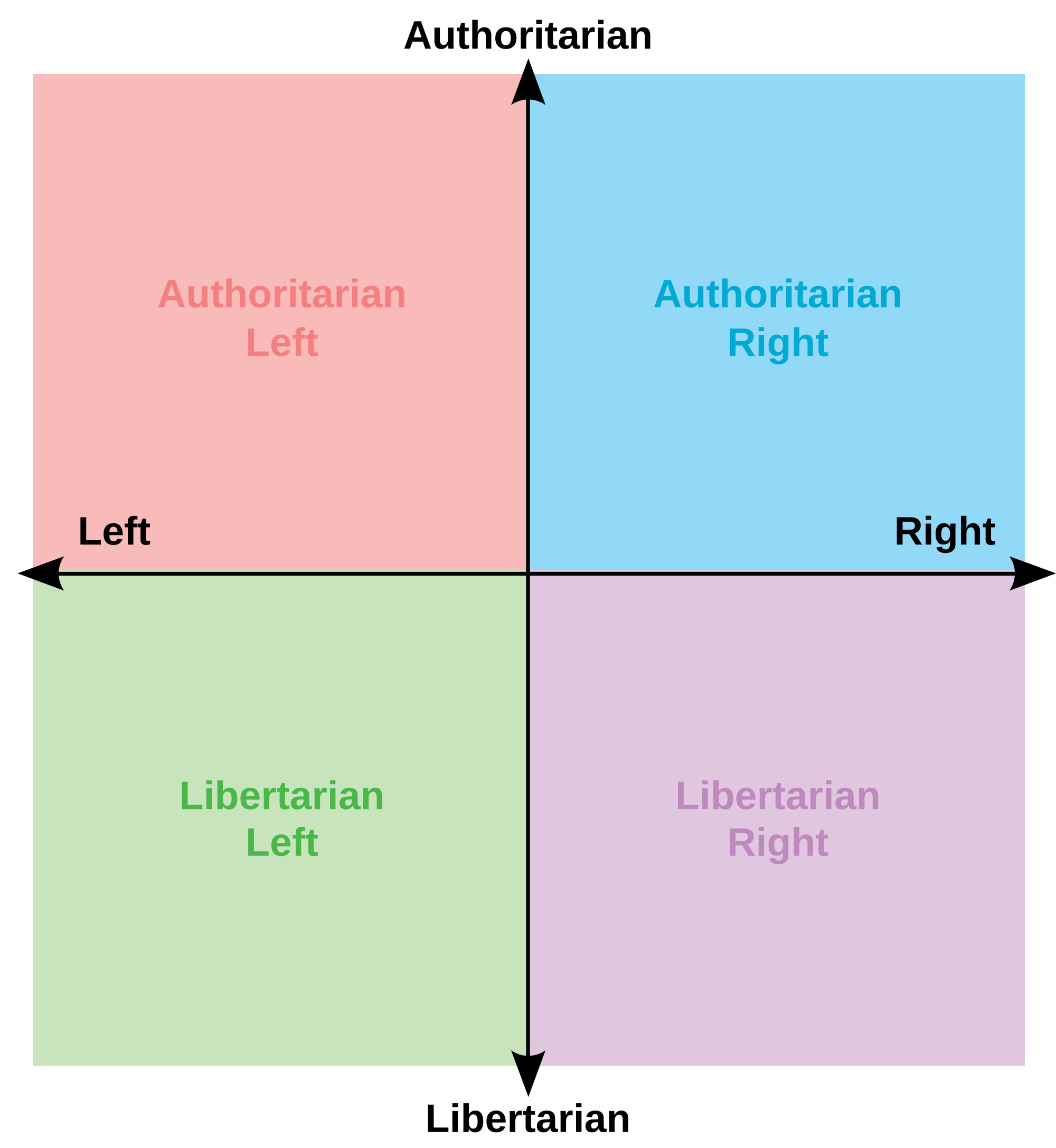 This does outline genuine differences in political opinion, but it also serves to characterise what has historically ALWAYS been left wing (anti authoritarian) as actually right wing (because we should all be able to agree that "libertarian" is a term popularised and utilised by the political right)
I see this kind of compass most often invoked (outside of #gamergate) to discredit the left or at best to promote the horseshoe theory that the extremes of either political wing are indistinguishable. (a theory I am happy to concede has great merit)
Many people claim to lean libertarian, or be right libertarian, but practice and preach the exact policies and justifications of the "authoritarian right"
Others merely excuse such with claims that a free market will ensure bad elements of such political movements will be out competed (people should "vote with their feet" and leave places that don't serve their needs)
Libertarians reading this: if you can not admit that big business is culpable in corruption, and that deregulation has allowed this to happen, you are simply an authoritarian that wants YOUR ideas to be enforced.
When I start seeing libertarians call out corruption, collusion and malpractice from avowed libertarians, maybe I'll appreciate the distinction more.
I'll leave my thoughts on socialism for another day, where I hope to outline exactly WTF it is clearly.
Please note libertarian readers: If you demonise somebody because they have a different set of political beliefs to you, how are you different from an authoritarian? You are demanding others conform with your beliefs, you are not engaging in debate and rebuttal, you are not practising an "open marketplace of ideas" (one of the few places I believe an absolute free market is essential)
If you want to say "classical liberals" fair enough, but understand that liberal only became a dirty word because of the authoritarian right you supposedly oppose.
I briefly discussed how common usage can influence meaning and nuance in defence of political correctness and believe it applies thoroughly with Liberal in American politics.
Perhaps some liberals have lost their way (they have, no "perhaps" necessary) but the fault largely lies in the very partisan divisions that the Republicans have driven in the electorate.
This does work both ways.
The liberal press, internationally, is disgustingly partisan and will often demonise the right or generalise anything it perceives as opposing modern liberalism. This is most clearly displayed with constant accusations of misogyny and racism with no room for nuance or empathy.
Any time you hear "right wing" being invoked to dismiss a person or idea, that is the exact problem I am talking about, and both "sides" are guilty of it.
The one I find most annoying is when those campaigning for or supporting a pro life position are said to hate women. No, I'd guess most pro life advocates really do care deeply about unborn children.
I vehemently disagree with them, but I know that *most* are reasonable people driven by altruism. Not bond villains that want to oppress women.
They just don't think it through and describe them.
Simply put; a man's freedom ends where another man's nose begins.
I think it's a principle most libertarians agree to, as it's all about volunteerism and zero harm, but no thought is put into what the allegory MEANS.
I see a lot of comments featuring some variation on "employers should do what they like, if you don't want to work for them, don't"
In an unregulated free market this is basically endorsing slavery. Not every employer will be unscrupulous, but not everyone can work for a moral employer. In the US *right now* large, wealthy and profitable corporations pay so little to their staff that the government must support them on welfare.
Getting rid of the welfare doesn't fix the problem.
Ensuring that employers cant exploit people does.
This is limiting the freedom of an employer to do as they please with their resources, but it prevents the freedoms of employees and competitors being infringed by crushing and unfair working conditions.
It's a balance, and I'd hope most can see that.
If you look to nations with absolute freedom (no tax, no state) you do not see a utopia. You know what you see, so stop pretending we can do without these things, even in hyperbole.
Absolute freedom means nothing more than that those with strength are free, and those without it are thralls.
Self interest is very human, understandable and in many cases necessary.
It is not, however, a virtue. You are not a better person by being selfish, you do not make the world a better place by always putting yourself first.
This contention aside, you cant praise the benefits of selfishness or greed in one breath and then absolve both of any responsibility for the DIRECT consequences of selfishness and greed.
Crony capitalism is BOTH OF THESE THINGS.
Just as with any tool (and greed/self interest are tools in the human arsenal, agreed) it is not always beneficial. It is not always appropriate. Sometimes, the application of the wrong tool can cause great harm.
When libertarians discuss corruption, it is exclusively the fault of the state. No reason is EVER provided except that the state is used to enforce the corrupt outcome.
If you don't understand why that is faulty logic, I cant help.
The state, in this case, is the tool of people motivated by the virtues you promote.
Greed is good is almost the most retarded thing anyone has ever repeated unironically.
It may not always be bad, it may inspire people to achieve, but it is at best an ambiguous mixed bag.
Studies have repeatedly shown that people can be motivated as well or better by other means than financial incentive.
Deal with it. Stop being naive. Money isn't everything, and you know it.
Charity, it is said, will solve all the problems government is left to deal with.
Get rid of welfare, public healthcare and similar programs, because generous people will solve those problems with charity!
This has never worked.
Government has ALWAYS had to intervene to assist the good works of private entities. This is not a bad thing, nor a good thing, it is just a necessary thing.
It is also at odds with the other assertion, that welfare actually HARMS people.
So, charity must step in so people can be given what they need by generous people (who will likely write if off on their taxes. ie: the government will pay) but the government doing this directly, with incentives and help for people to get out of welfare, is evil.
No explanations given, just "work is virtue" crap often repeated by people that have not done an honest days work in their lives.
Now, the welfare trap is VERY real.
But the problem isn't welfare itself. Industrialism causes this dependence.
In the last 200 years we have produced technology that enables us to do the work of DOZENS of people automatically, and reduce the work needed to accomplish many other tasks. The only result being less jobs are available. This is somewhat countered by other markets opening up. Consumerism is the ONLY reason we don't see mass starvation, because without it there would be no work for people to be paid so they could afford to eat the food produced by the VERY FEW people needed to produce enough food for everyone. If nobody could afford to buy the food produced by these people, it would rot in the fields.
It's a cycle of intermingled reliance, not a benevolent waterfall of wealth and resources from the top, with "job creators" our lord and saviour.
Welfare is a necessary bandaid over the problems caused by the very system we all understand is the best humans have come up with.
It might not be pleasant, it has bad effects as well as good, but without it you'd consign at LEAST 10% of the population to starvation (unemployment figures rarely go above 5% in Industrialised nations, and those are only those DIRECTLY drawing welfare, not all people without employment are considered "unemployed") and you'd take an AWFUL lot of revenue out of circulation. Poor people spend their money.
Just because we can and should reform welfare, and the exploitative businesses that benefit from it does not mean welfare is wrong. (here in the UK they're actually bringing in changes to allow employers to exploit welfare even more with low/zero hour contracts. Essentially any business can have people on "retainer" that draw welfare until they are needed, then draw a wage based on their hours worked and the government still pays them to make up the difference. I don't think it's entirely intended for this, I think many supporting the changes really do want to help people work, because "work is a virtue." They are just blind to exploitation. In the end, it will just mean more employers will have access to cheap workers that have no choice to accept their conditions)
***
Despite my reservations on libertarianism, I do believe it is absolutely necessary and positive in a democracy, reliant as we are on pluralism and representation.
There is more common ground between right libertarians, liberals and socialists than you may be lead to believe (especially over in the US, where socialism is an even dirtier word than liberal)
This is a good thing, as it reflects a great deal of common ground amongst political moderates that were otherwise polarised.
I do not however agree with the principles espoused by proponents of libertarianism, nor some of the methods or rhetoric employed.
- A rewriting of the political compass, and thus political history.
I see this kind of compass most often invoked (outside of #gamergate) to discredit the left or at best to promote the horseshoe theory that the extremes of either political wing are indistinguishable. (a theory I am happy to concede has great merit)
- Rebranding conservatism and traditionalism.
Many people claim to lean libertarian, or be right libertarian, but practice and preach the exact policies and justifications of the "authoritarian right"
Others merely excuse such with claims that a free market will ensure bad elements of such political movements will be out competed (people should "vote with their feet" and leave places that don't serve their needs)
Libertarians reading this: if you can not admit that big business is culpable in corruption, and that deregulation has allowed this to happen, you are simply an authoritarian that wants YOUR ideas to be enforced.
When I start seeing libertarians call out corruption, collusion and malpractice from avowed libertarians, maybe I'll appreciate the distinction more.
- Inability to understand left wing politics.
I'll leave my thoughts on socialism for another day, where I hope to outline exactly WTF it is clearly.
Please note libertarian readers: If you demonise somebody because they have a different set of political beliefs to you, how are you different from an authoritarian? You are demanding others conform with your beliefs, you are not engaging in debate and rebuttal, you are not practising an "open marketplace of ideas" (one of the few places I believe an absolute free market is essential)
- You guys are all liberals
If you want to say "classical liberals" fair enough, but understand that liberal only became a dirty word because of the authoritarian right you supposedly oppose.
I briefly discussed how common usage can influence meaning and nuance in defence of political correctness and believe it applies thoroughly with Liberal in American politics.
Perhaps some liberals have lost their way (they have, no "perhaps" necessary) but the fault largely lies in the very partisan divisions that the Republicans have driven in the electorate.
This does work both ways.
The liberal press, internationally, is disgustingly partisan and will often demonise the right or generalise anything it perceives as opposing modern liberalism. This is most clearly displayed with constant accusations of misogyny and racism with no room for nuance or empathy.
Any time you hear "right wing" being invoked to dismiss a person or idea, that is the exact problem I am talking about, and both "sides" are guilty of it.
The one I find most annoying is when those campaigning for or supporting a pro life position are said to hate women. No, I'd guess most pro life advocates really do care deeply about unborn children.
I vehemently disagree with them, but I know that *most* are reasonable people driven by altruism. Not bond villains that want to oppress women.
- Absolute freedom is not only impossible, but deeply immoral.
They just don't think it through and describe them.
Simply put; a man's freedom ends where another man's nose begins.
I think it's a principle most libertarians agree to, as it's all about volunteerism and zero harm, but no thought is put into what the allegory MEANS.
I see a lot of comments featuring some variation on "employers should do what they like, if you don't want to work for them, don't"
In an unregulated free market this is basically endorsing slavery. Not every employer will be unscrupulous, but not everyone can work for a moral employer. In the US *right now* large, wealthy and profitable corporations pay so little to their staff that the government must support them on welfare.
Getting rid of the welfare doesn't fix the problem.
Ensuring that employers cant exploit people does.
This is limiting the freedom of an employer to do as they please with their resources, but it prevents the freedoms of employees and competitors being infringed by crushing and unfair working conditions.
It's a balance, and I'd hope most can see that.
If you look to nations with absolute freedom (no tax, no state) you do not see a utopia. You know what you see, so stop pretending we can do without these things, even in hyperbole.
Absolute freedom means nothing more than that those with strength are free, and those without it are thralls.
- Self interest is a virtue
Self interest is very human, understandable and in many cases necessary.
It is not, however, a virtue. You are not a better person by being selfish, you do not make the world a better place by always putting yourself first.
This contention aside, you cant praise the benefits of selfishness or greed in one breath and then absolve both of any responsibility for the DIRECT consequences of selfishness and greed.
Crony capitalism is BOTH OF THESE THINGS.
Just as with any tool (and greed/self interest are tools in the human arsenal, agreed) it is not always beneficial. It is not always appropriate. Sometimes, the application of the wrong tool can cause great harm.
When libertarians discuss corruption, it is exclusively the fault of the state. No reason is EVER provided except that the state is used to enforce the corrupt outcome.
If you don't understand why that is faulty logic, I cant help.
The state, in this case, is the tool of people motivated by the virtues you promote.
Greed is good is almost the most retarded thing anyone has ever repeated unironically.
It may not always be bad, it may inspire people to achieve, but it is at best an ambiguous mixed bag.
Studies have repeatedly shown that people can be motivated as well or better by other means than financial incentive.
Deal with it. Stop being naive. Money isn't everything, and you know it.
- Charity will solve all of societies problems, but giving people things is evil. Because reasons.
Charity, it is said, will solve all the problems government is left to deal with.
Get rid of welfare, public healthcare and similar programs, because generous people will solve those problems with charity!
This has never worked.
Government has ALWAYS had to intervene to assist the good works of private entities. This is not a bad thing, nor a good thing, it is just a necessary thing.
It is also at odds with the other assertion, that welfare actually HARMS people.
So, charity must step in so people can be given what they need by generous people (who will likely write if off on their taxes. ie: the government will pay) but the government doing this directly, with incentives and help for people to get out of welfare, is evil.
No explanations given, just "work is virtue" crap often repeated by people that have not done an honest days work in their lives.
Now, the welfare trap is VERY real.
But the problem isn't welfare itself. Industrialism causes this dependence.
In the last 200 years we have produced technology that enables us to do the work of DOZENS of people automatically, and reduce the work needed to accomplish many other tasks. The only result being less jobs are available. This is somewhat countered by other markets opening up. Consumerism is the ONLY reason we don't see mass starvation, because without it there would be no work for people to be paid so they could afford to eat the food produced by the VERY FEW people needed to produce enough food for everyone. If nobody could afford to buy the food produced by these people, it would rot in the fields.
It's a cycle of intermingled reliance, not a benevolent waterfall of wealth and resources from the top, with "job creators" our lord and saviour.
Welfare is a necessary bandaid over the problems caused by the very system we all understand is the best humans have come up with.
It might not be pleasant, it has bad effects as well as good, but without it you'd consign at LEAST 10% of the population to starvation (unemployment figures rarely go above 5% in Industrialised nations, and those are only those DIRECTLY drawing welfare, not all people without employment are considered "unemployed") and you'd take an AWFUL lot of revenue out of circulation. Poor people spend their money.
Just because we can and should reform welfare, and the exploitative businesses that benefit from it does not mean welfare is wrong. (here in the UK they're actually bringing in changes to allow employers to exploit welfare even more with low/zero hour contracts. Essentially any business can have people on "retainer" that draw welfare until they are needed, then draw a wage based on their hours worked and the government still pays them to make up the difference. I don't think it's entirely intended for this, I think many supporting the changes really do want to help people work, because "work is a virtue." They are just blind to exploitation. In the end, it will just mean more employers will have access to cheap workers that have no choice to accept their conditions)
***
Despite my reservations on libertarianism, I do believe it is absolutely necessary and positive in a democracy, reliant as we are on pluralism and representation.
There is more common ground between right libertarians, liberals and socialists than you may be lead to believe (especially over in the US, where socialism is an even dirtier word than liberal)
Subscribe to:
Posts (Atom)